

What Property Managers Should Look for in a Commercial Fitness Equipment Vendor
What Property Managers Should Look for in a Commercial Fitness Equipment Vendor
A fitness center has become one of the most important features in a multifamily apartment community. Residents expect to have convenient access to high-quality fitness facilities within their apartment communities. A well-equipped apartment fitness center can have a significant impact on resident satisfaction and can make a multifamily apartment community stand out in a competitive market. Therefore, creating a successful fitness center involves more than just buying fitness equipment. Many multifamily apartment managers place a high priority on apartment fitness center equipment selection and price.
A multifamily apartment fitness center vendor selection, although not as well understood, plays an equally important role in the fitness center's success. A good fitness center vendor will assist in planning the fitness center, provide guidance in determining the type of fitness equipment to use, and provide service and maintenance support. Therefore, understanding what to look for in a fitness center vendor will help apartment managers make a more informed decision when planning or upgrading a multifamily fitness center equipment project.
How to Evaluate a Commercial Fitness Equipment Vendor
One of the first things that property management should consider is whether or not the vendor has any experience with multifamily fitness centers or commercial properties. Apartment gyms are very different from fitness clubs or home gyms. The fitness equipment must be able to handle multiple daily uses by apartment residents, who have varying levels of fitness expertise, and must do so within a limited square footage space.
A vendor who has experience in commercial gym equipment properties understands the impact that resident behavior, building size, and building class have on fitness equipment selection. For instance, a student housing building might need more functional fitness equipment, while a high-end apartment building might need high-end commercial cardio and recovery fitness equipment.
A commercial fitness equipment company that has experience in multifamily properties should be able to review the property type, target resident, and budget to provide a balanced fitness equipment selection for the property.
Ability to Help With Layout and Space Planning
Another key ability that a vendor should possess is fitness center layout planning. A vendor should not only sell equipment; he should also be able to help plan the layout of the fitness center to ensure that the maximum space is utilized.
An efficient apartment fitness center design should take into consideration the following:
-
Equipment spacing and safety clearances
-
Natural traffic patterns within the space
-
Cardio versus resistance training placement
-
Functional training areas and stretching areas
-
Storage of smaller accessories
In smaller apartments, the fitness center might be quite small, and hence, layout planning becomes very important so that the space does not look crowded or inefficient.
If the layout of the fitness center has not been planned efficiently, the space might look inefficient, and this might lead to dissatisfaction with the fitness center by the residents.
Quality and Durability of Equipment
Another key consideration when choosing fitness equipment for apartment complexes is durability. Unlike home gym systems, apartment complexes have fitness centers that are frequently used by numerous people throughout the day. Therefore, the fitness equipment used in apartment complexes must be durable to ensure that it can withstand the number of people who use it without sustaining significant wear and tear.
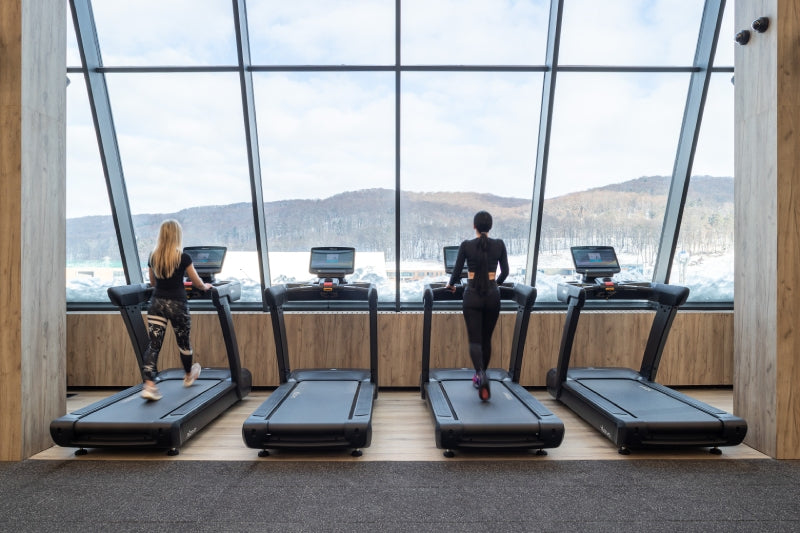
Commercial fitness equipment is made of robust materials and comes with higher quality standards compared to home gym systems. This includes commercial cardio fitness equipment like commercial treadmills and commercial ellipticals, as well as commercial strength training equipment like commercial selectorized strength training equipment and commercial free weights. Although cheaper fitness equipment may seem like a good idea in terms of reducing costs, it may prove to be more costly in the long run due to the money spent on maintaining the fitness center.
Product Mix and Brand Options
A good vendor will also offer flexibility in terms of equipment brands and product types. Some vendors might specialize in just one type of equipment or brand, which might not allow for the best equipment mix for a particular project.
A vendor who offers a variety of product types will allow for customization based on the objectives of the property and the preferences of their residents. A good apartment fitness center might include equipment such as:
-
Cardio equipment such as treadmills, bikes, and rowers
-
Strength training equipment such as machines and free weights
-
Functional training equipment such as rigs or cable systems
-
Stretching and recovery equipment
-
Optional outdoor equipment
Having access to many brands will allow the vendor to provide equipment that offers the best balance of functionality, durability, aesthetics, and price. This will often lead to a more versatile and attractive multifamily fitness center equipment layout.
Installation, Delivery, and Project Management
Logistics might get complicated if one is handling equipment delivery in apartment complexes. It is important for property managers to ask if they offer turn-key support for their services. Turn-key support means they will take care of everything from delivery to equipment installation. Some of the services that a reliable turn-key support for fitness equipment providers will offer include:
-
Scheduling delivery
-
Assembling equipment
-
Placing equipment according to a layout plan
-
Safety check
-
Working with the team or contractor
A professional gym equipment installation service ensures that equipment is properly assembled and placed for use. Turn-key support services will ease the burden on property managers.
Service and Support After the Sale
However, the most important factor in assessing a commercial fitness equipment vendor is their service and support. This is because even good equipment will sometimes break down and sometimes require maintenance or repairs.
Equipment breakdown will definitely affect the overall satisfaction of the people living in the apartments. Therefore, good service and maintenance support for fitness equipment is vital.
Property managers should ask their vendors about:
-
Warranty
-
Repair response time
-
Availability of parts
-
Preventive maintenance
-
Dedicated service technicians
Some vendors offer maintenance services that will help in identifying problems with equipment before they occur. Good service will ensure that the apartment fitness equipment is always in good working order.
Budget Transparency and Long-Term Value
For every fitness center upgrade, property manager budget considerations are always a factor. But, the lowest upfront cost may not necessarily be the best long-term investment.
A reputable fitness equipment supplier should offer transparency in their quotes, including what is included in the overall cost. What may initially appear to be a low-cost quote may, in fact, not include installation, planning, or service, which can add up to a higher overall cost in the long run.
A knowledgeable vendor can help clients balance the need to save money with the need to have long-lasting, functional equipment.
Customization to the Property’s Needs
No two apartment communities are alike. The difference in resident demographics, apartment class, and available space makes each apartment fitness center design unique. A good vendor starts off by asking questions, as opposed to immediately offering a fitness equipment proposal. The questions might include:
-
Demographics of the apartment community’s residents
-
Available square footage
-
Current amenities
-
Future upgrade plans
-
Budget priorities
From this information, the vendor can provide a customized fitness room equipment selection for apartments that meets the apartment community’s specific needs.
Questions Property Managers Should Ask a Vendor
Before selecting a commercial fitness equipment provider, property management teams can also ask the following questions:
-
Do you specialize in fitness center equipment for multifamily or commercial fitness centers?
-
Can you assist with fitness center layout planning and selection of fitness equipment?
-
What type of fitness equipment brands do you represent?
-
Do you install fitness equipment and deliver it to our property?
-
What type of support do you offer in the event that fitness equipment requires maintenance or repair?
-
Do you offer maintenance services to keep our fitness equipment in working order?
-
Can you share with us some of your experience in similar types of apartments or multifamily projects?
Conclusion
However, choosing the right vendor of commercial fitness equipment is an essential decision that property managers should make when developing an apartment community fitness center or renovating an existing one.
While the quality and price of the fitness equipment are essential factors that property managers should consider, they are not the only ones that should be taken into account when choosing the right vendor of commercial fitness equipment for apartment communities.
A well-planned multifamily gym design often includes a balanced mix of cardio, strength, and recovery equipment tailored to the available space.The most effective vendors of commercial fitness equipment are those that offer long-term partnership opportunities to property managers who are developing apartment community fitness centers or renovating existing ones.
By considering experience, planning support, equipment quality, and long-term service, property managers can establish a fitness center that not only promotes the health of apartment residents, but also increases the value of the community they live in.
Having trouble planning or renovating your apartment community fitness center? Our team can help you!